Between swimsuit sizes? Learn whether to size up or down, how a swimsuit should fit, and how to choose the right size for your body shape and measurements.
Between Swimsuit Sizes? How to Choose the Right Fit
Finding the perfect swimsuit can be a delightful experience, but often, the journey is complicated by inconsistent sizing. If you've ever found yourself between swimsuit sizes, unsure whether to size up or down, you're not alone. This comprehensive swimsuit size guide from SwimTailor is designed to help you navigate the nuances of swimwear fitting, ensuring you find a suit that offers both comfort and confidence. We'll explore how a swimsuit should fit, provide practical tips for taking accurate measurements, and guide you through choosing the ideal size for your unique body shape.
Why Swimsuit Sizing is Tricky: Understanding the Nuances
Swimwear sizing is notoriously inconsistent across brands, making the process of finding the right fit a common challenge. Unlike everyday apparel, swimsuits are designed to perform under specific conditions – in and out of water – requiring a precise fit that balances support, comfort, and aesthetic appeal. This complexity often leads to confusion, especially when your measurements fall between standard sizes on a swimsuit size chart.
The Inconsistency of Size Charts
One of the primary reasons for sizing dilemmas is the lack of universal standardization in the fashion industry. A size 'M' from one brand might be equivalent to a 'S' or 'L' from another. This discrepancy is particularly pronounced in swimwear, where fabric stretch, cut, and design intent vary significantly. Relying solely on a generic swimsuit sizing guide can often lead to frustration, highlighting the need for a more personalized approach to how to choose swimsuit size.
Fabric, Style, and Fit Expectations
The material composition of a swimsuit plays a crucial role in its fit. Fabrics with higher spandex content offer more stretch and compression, while those with less elasticity might require a more generous cut. Similarly, different swimsuit styles—from bikinis to one-pieces, high-waisted to full-coverage—are engineered with distinct fit expectations. A suit designed for active swimming will have a different fit philosophy than one intended for lounging by the pool. Understanding these factors is key to determining how should a swimsuit fit for your intended use and personal preference.
Are You Between Sizes? Here's How to Decide: Size Up or Down?
When your measurements place you squarely between swimsuit sizes, the decision to size up or down can feel like a gamble. However, by considering a few key factors, you can make an informed choice that leads to a better fit. The goal is always to achieve a snug, supportive fit without sacrificing comfort or creating unflattering bulges.
When to Size Up or Down: A Quick Guide
When your measurements place you squarely between swimsuit sizes, the decision to size up or down can feel like a gamble. However, by considering a few key factors, you can make an informed choice that leads to a better fit. The goal is always to achieve a snug, supportive fit without sacrificing comfort or creating unflattering bulges. Here's a quick guide to help you decide:
|
Consider Sizing Up If... |
Consider Sizing Down If... |
|
You have a larger bust, wider hips, or a longer torso. |
You prefer a more compressive fit. |
|
You prioritize comfort and adequate coverage. |
The swimsuit fabric is highly stretchy and tends to relax when wet. |
|
A suit that is too small causes digging or discomfort. |
Your measurements are closer to the lower end of the larger size. |
|
For one-piece suits, a longer torso prevents pulling in shoulders/crotch. |
You want better support and to prevent sagging in the bust and seat. |
Remember, sizing down too much can lead to uncomfortable constriction and an unflattering appearance, while sizing up excessively can result in a baggy fit. Always aim for a balance that provides both support and freedom of movement.
The Importance of Body Measurements
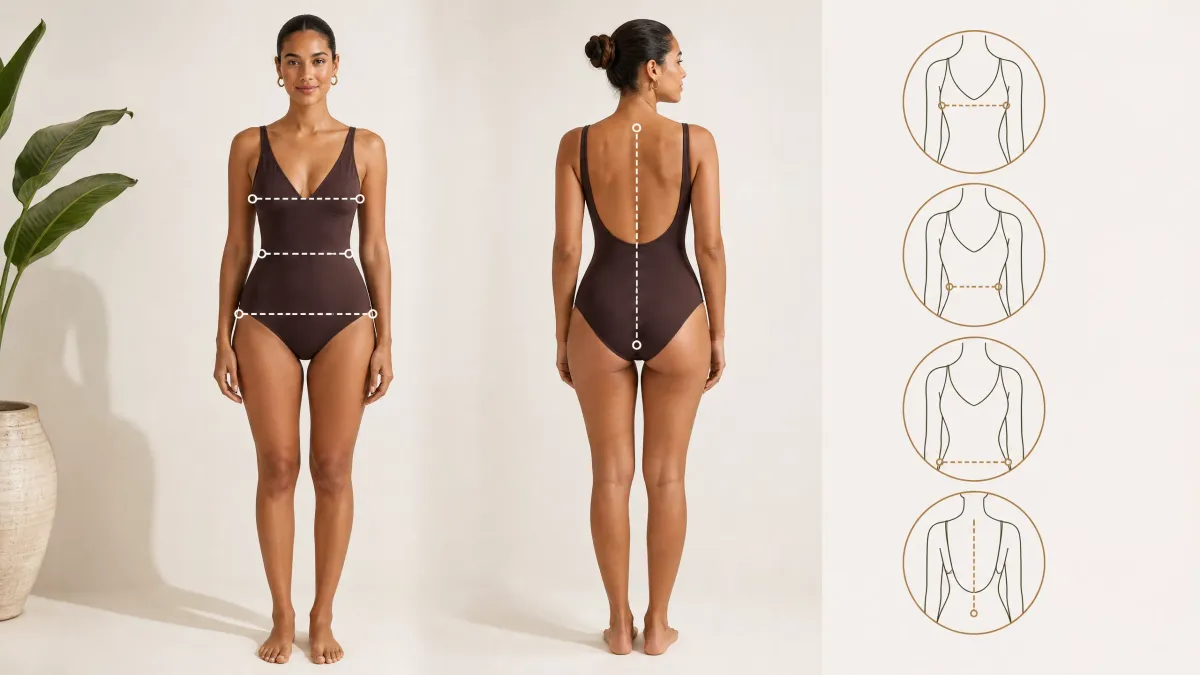
Accurate body measurements are the foundation of finding the right swimsuit size. Before consulting any size chart, take precise measurements of your bust, waist, hips, and torso. Use a flexible tape measure and ensure it's snug but not tight against your skin. For the bust, measure around the fullest part. For the waist, measure the narrowest part of your torso. For hips, measure around the fullest part of your glutes. For one-piece suits, torso measurement (from the top of the shoulder, through the crotch, and back up to the shoulder) is critical. Compare these measurements to the specific brand's size chart, rather than relying on general apparel sizing.
Understanding Your Body Shape
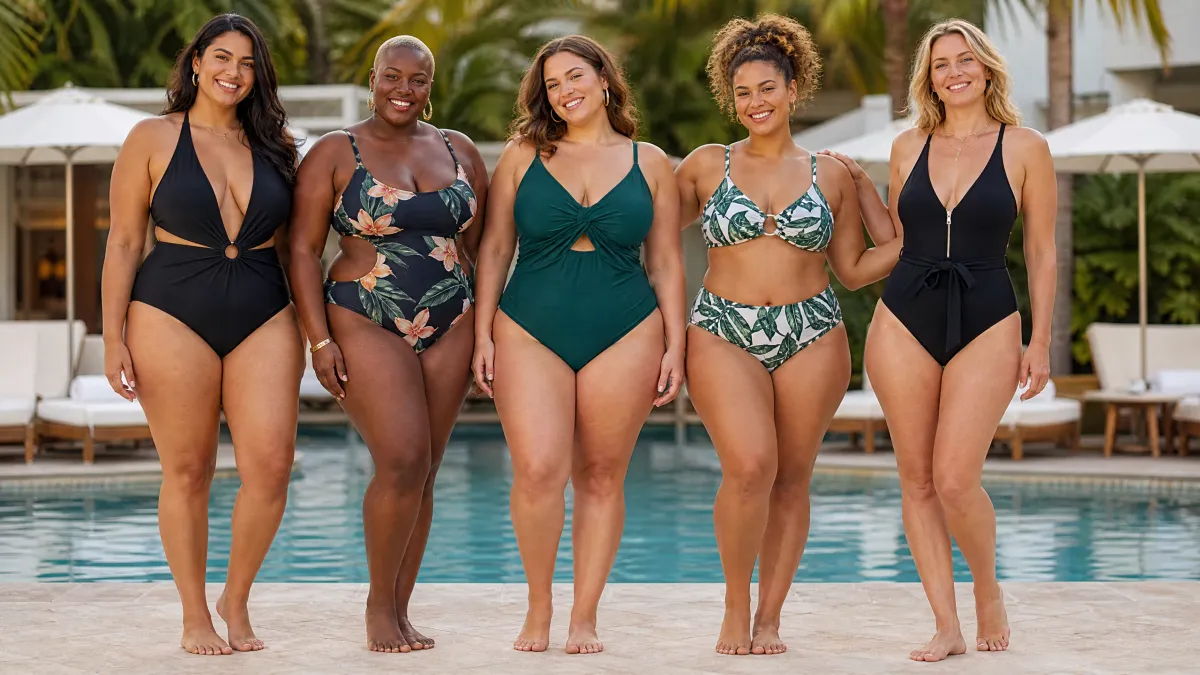
Different body shapes are flattered by different swimsuit styles and cuts. While sizing is primarily about measurements, understanding your body shape can help you choose styles that enhance your natural silhouette and guide your sizing decision when you're on the cusp. Common body shapes include hourglass, pear, apple, athletic, and rectangle. For example, if you have an apple shape, you might prioritize support around the midsection, while a pear shape might benefit from styles that balance the hips and bust.
SwimTailor's Fit Philosophy
At SwimTailor, our design philosophy centers on engineering the perfect fit for every body. We combine advanced fabric science with meticulous fit engineering to create swimwear that adapts to your unique contours, offering unparalleled comfort and confidence. Our commitment to sustainable practices means our eco-friendly collection not only looks good but also feels good, both on you and for the planet. We believe that a well-fitting swimsuit is a powerful tool for self-expression and empowerment.
The Role of Fabric and Construction
Beyond just size numbers, the fabric and construction of a swimsuit significantly impact its fit and feel. High-quality swimwear often features innovative materials that offer four-way stretch, UV protection, and resistance to chlorine and saltwater. Seams, lining, and hardware also contribute to the overall fit and durability. A well-constructed swimsuit will maintain its shape and support, even after prolonged wear and exposure to the elements. This attention to detail is what sets premium swimwear apart and ensures a lasting, comfortable fit.
How a Swimsuit Should Really Fit
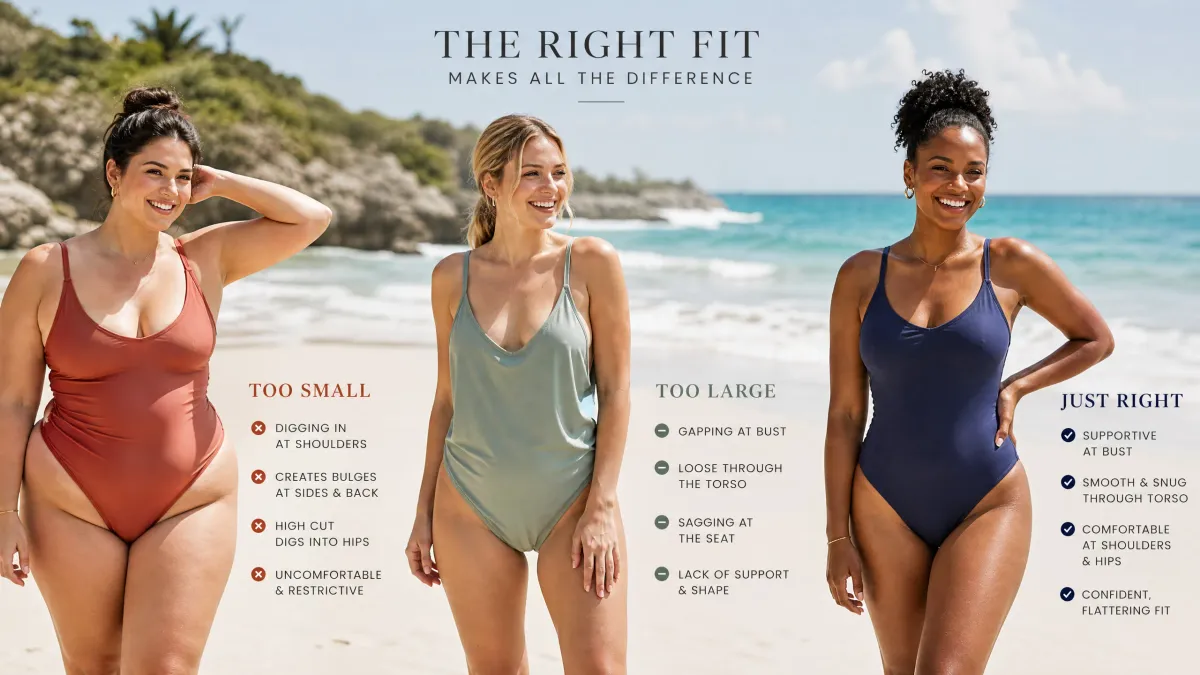
Ideally, a swimsuit should feel like a second skin – snug, supportive, and comfortable, without digging, gapping, or restricting movement. Here are the key indicators of a proper fit:
•Snug but Not Tight: The fabric should lie smoothly against your skin without pulling or creating excessive pressure points.
•No Gapping: There should be no loose fabric around the bust, underarms, or leg openings.
•Adequate Support: The bust area should feel lifted and secure, especially for larger cup sizes. Straps should not dig into your shoulders.
•Full Coverage (as intended): The suit should provide the desired level of coverage without riding up or shifting.
•Freedom of Movement: You should be able to move, stretch, and sit comfortably without feeling restricted.
Signs Your Swimsuit Doesn't Fit Properly
Recognizing the signs of an ill-fitting swimsuit can save you from discomfort and disappointment. If your swimsuit exhibits any of the following, it's likely not the right fit:
•Digging Straps or Leg Openings: Red marks or indentations indicate the suit is too small.
•Gapping Fabric: Loose fabric around the bust, underarms, or waist suggests the suit is too large.
•Sagging Seat: If the fabric bunches or sags in the rear, the suit is too big.
•Spillage: Fabric cutting into the breast tissue or creating
a
double-bust effect means the top is too small.
•Constant Adjusting: If you find yourself constantly tugging or pulling at your suit, it's not fitting correctly.
Practical Tips for Trying On Swimwear
When trying on swimsuits, always do so with clean underwear. Pay attention to how the fabric feels against your skin and how easily you can move. Try a few different poses – sitting, standing, raising your arms – to assess the fit in various positions. If possible, try on suits from different brands and in different styles to compare how they fit your body. Remember, the goal is to feel comfortable and confident.
Beyond the Size Tag: Confidence and Comfort
Ultimately, the perfect swimsuit size isn't just about numbers on a tag; it's about how you feel when you wear it. A well-fitting swimsuit should empower you, allowing you to enjoy your time in the water without distraction or discomfort. Embrace your unique body and choose a suit that celebrates your shape, rather than trying to fit into a size that doesn't serve you. SwimTailor is dedicated to helping you find that perfect blend of style, support, and confidence.
Frequently Asked Questions (FAQ)
Q: Should I size up or down if I'm between swimsuit sizes?
A: It depends on your body shape and preference. If you have a larger bust, wider hips, or a longer torso, sizing up is often recommended for comfort. If you prefer a more compressive fit and the fabric is very stretchy, sizing down slightly might work. Always prioritize comfort and a snug fit without digging or gapping.
Q: How do I measure myself for a swimsuit?
A: Use a flexible tape measure. Measure your bust at the fullest part, waist at the narrowest part, and hips at the fullest part of your glutes. For one-piece suits, measure your torso from the top of your shoulder, through the crotch, and back up to the shoulder.
Q: What are the signs of a poorly fitting swimsuit?
A: Signs include straps or leg openings digging into your skin, fabric gapping around the bust or waist, a sagging seat, or constant need for adjustment. These indicate the suit is either too small or too large.
Q: Do swimsuit sizes vary between brands?
A: Yes, swimsuit sizes can vary significantly between brands due to different design philosophies, fabric choices, and target demographics. Always consult the specific brand's size chart.
Q: Can I wear a swimsuit that is slightly too small or too big?
A: While you might be able to, it's not recommended. A poorly fitting swimsuit can be uncomfortable, restrict movement, and may not provide adequate support or coverage, potentially leading to chafing or wardrobe malfunctions. Investing in a properly fitting suit enhances your overall experience.