Nylon vs polyester swimwear compared: durability, stretch, chlorine resistance, comfort & price. Find the best fabric for your swimsuit with our expert guide.
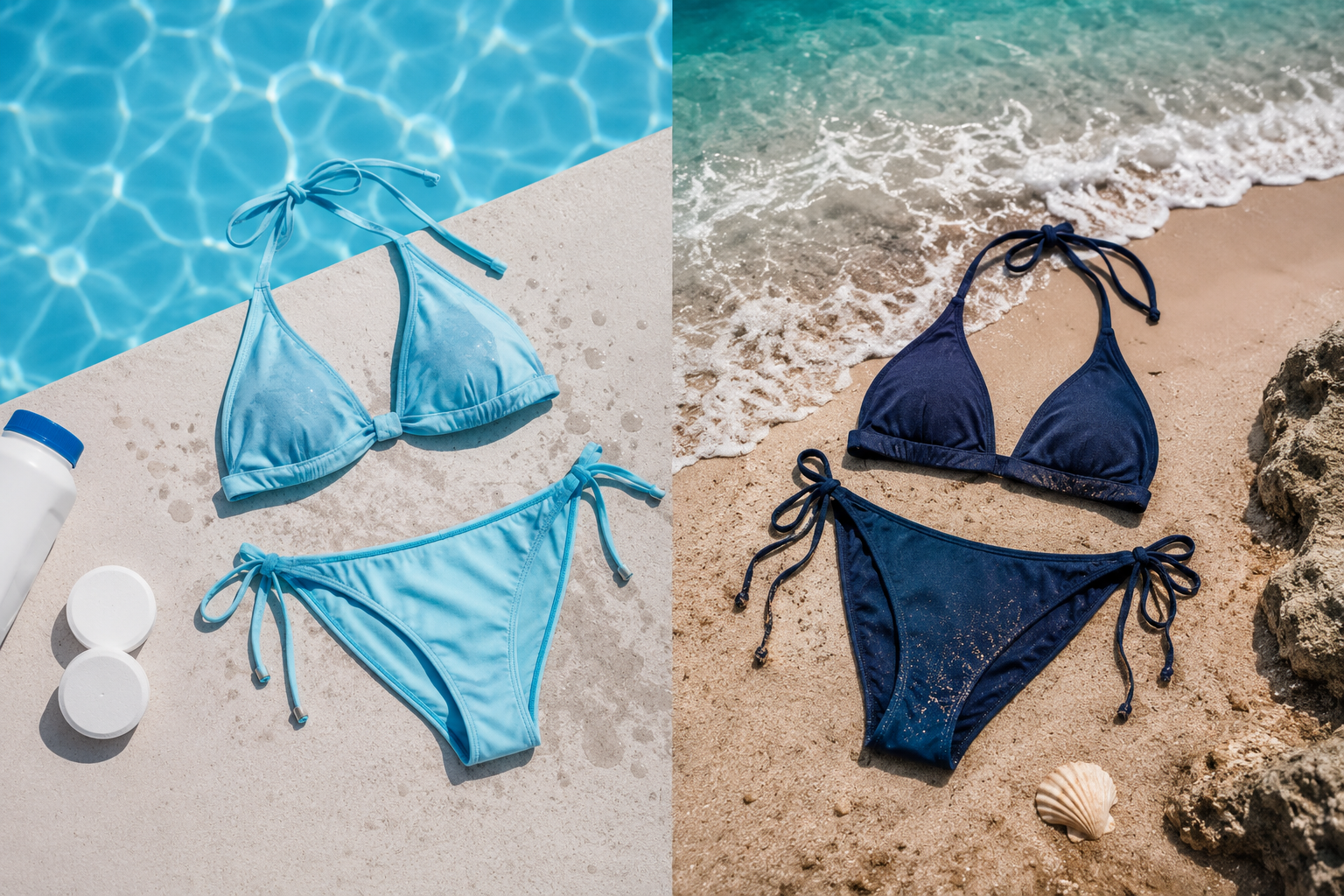
When choosing swimwear, style and color may catch the eye first, but fabric determines how the swimsuit feels, fits, performs, and lasts. Nylon and polyester are two of the most common swimwear fabrics, and both are usually blended with spandex or elastane for stretch.
In simple terms, nylon swimwear is often softer, smoother, and more comfortable against the skin, while polyester swimwear is usually more durable, chlorine-resistant, and colorfast. The better choice depends on how and where the swimsuit will be used.
Nylon vs Polyester Swimwear: Key Differences
The main difference between nylon and polyester swimwear comes down to comfort versus durability. Nylon has a soft hand feel and excellent stretch recovery, making it popular for fashion swimwear, bikinis, resort styles, and fitted one-piece swimsuits. Polyester is stronger against chlorine, sunlight, and repeated wear, which makes it a strong choice for training suits, active swimwear, and outdoor use.
|
Feature |
Nylon Swimwear |
Polyester Swimwear |
|---|---|---|
|
Feel |
Soft, smooth, skin-friendly |
Slightly firmer and more structured |
|
Stretch |
Excellent stretch and recovery |
Good stretch when blended with spandex |
|
Chlorine resistance |
Moderate |
Better for pool use |
|
Color retention |
Good, but may fade faster |
Strong color retention |
|
Drying speed |
Quick-drying |
Usually dries faster |
|
Best for |
Fashion, beachwear, resort swimwear |
Training, frequent swimming, outdoor use |
Nylon Swimwear Benefits
Nylon is widely used in swimwear because it feels comfortable and looks refined. It has a smooth surface, soft touch, and natural flexibility, which helps the swimsuit sit close to the body without feeling stiff.
1. Soft and Comfortable
One of the biggest nylon swimwear benefits is comfort. Nylon feels smooth against the skin, making it ideal for bikinis, one-piece swimsuits, resort swimwear, and styles designed for all-day wear.
2. Great Stretch and Fit
Nylon is commonly blended with spandex to create a flexible, body-hugging fabric. This makes it suitable for designs with ruching, cut-outs, tie details, high-leg silhouettes, and close-fitting shapes.
3. Premium Fashion Appearance
Nylon often gives swimwear a sleek, polished finish. For brands focused on comfort, fit, and a softer fashion look, nylon-spandex blends are a popular fabric choice.
Polyester Swimwear Advantages
Polyester is valued for performance and durability. It may not feel quite as soft as nylon, but it holds up better against chlorine, UV exposure, and frequent washing.
1. Better Chlorine Resistance
Chlorine can weaken swimwear fibers over time, especially when a swimsuit is used regularly in pools. Polyester is more resistant to chlorine damage than nylon, making it a better option for training swimwear and frequent swimmers.
2. Strong Color Retention
Polyester holds dye well, which helps printed, bright, and dark-colored swimsuits keep their appearance for longer. This is especially useful for outdoor swimwear, team swimwear, and styles exposed to sun and pool water.
3. Long-Lasting Performance
If durability is the priority, polyester usually performs better. It resists stretching out, fading, and fabric fatigue more effectively than nylon in high-use conditions.
Which Swimwear Material Is Better?
There is no single best swimwear fabric for every situation. The right choice depends on the purpose of the swimsuit.
-
Choose nylon swimwear for softness, comfort, stretch, and a more luxurious hand feel.
-
Choose polyester swimwear for chlorine resistance, color retention, and long-term durability.
-
Choose nylon-spandex blends for fashion swimwear, bikinis, and resort collections.
-
Choose polyester-spandex blends for training suits, active swimwear, kids’ swimwear, and frequent pool use.
Best Swimwear Fabric for Different Uses
For Fashion Swimwear
Nylon is often the better choice for fashion-focused swimwear. It feels softer, stretches beautifully, and works well for fitted silhouettes, tie-side bikinis, cut-out swimsuits, and premium resort styles.
For Training Swimwear
Polyester is generally better for swimmers who spend a lot of time in chlorinated pools. It offers better resistance to chlorine and keeps its shape longer under repeated use.
For Custom Swimwear
For custom swimwear development, fabric selection should match the brand’s target customer. A fashion swimwear brand may prefer nylon for comfort and drape, while a performance or outdoor swimwear brand may choose polyester for durability and color stability.
Durability: Which Fabric Lasts Longer?
Polyester swimwear usually lasts longer than nylon swimwear, especially in pools, strong sunlight, and frequent-use settings. It is more resistant to chlorine and fading, which makes it a practical option for active swimmers.
That said, durability also depends on spandex content, fabric weight, lining quality, dyeing method, stitching, and garment care. A well-made nylon swimsuit can still perform beautifully when used and cared for properly.
Care Tips for Nylon and Polyester Swimwear
-
Rinse the swimsuit with cold water after every use.
-
Avoid hot water, bleach, and harsh detergents.
-
Do not tumble dry, as heat can damage elastic fibers.
-
Dry flat in the shade instead of direct sunlight.
-
Do not leave wet swimwear sealed in a bag for long periods.
Final Verdict: Nylon or Polyester Swimwear?
If comfort, softness, stretch, and a smooth fashion look matter most, nylon swimwear is usually the better choice. It works especially well for bikinis, one-piece swimsuits, resort swimwear, and styles designed around fit and feel.
If durability, chlorine resistance, color retention, and frequent use are the priorities, polyester swimwear is the stronger option. It is ideal for training suits, active swimwear, kids’ swimwear, and outdoor swimming.
The best answer to nylon vs polyester swimwear is not about choosing one fabric forever. It is about matching the fabric to the swimsuit’s purpose, customer expectations, and wearing environment.
FAQ
Is nylon or polyester better for swimwear?
Nylon is better for softness, comfort, and fashion swimwear. Polyester is better for durability, chlorine resistance, and frequent swimming.
Does polyester swimwear last longer than nylon?
In most cases, yes. Polyester swimwear usually lasts longer in chlorinated pools and strong sunlight.
Why is nylon used in swimsuits?
Nylon is used because it feels soft, stretches well, fits the body smoothly, and gives swimwear a refined appearance.
What is the best swimwear fabric?
For fashion swimwear, nylon-spandex is often a strong choice. For training and frequent swimming, polyester-spandex is usually better.