Learn how to measure for a swimsuit step by step. Accurate bust, waist, hip & torso measurements for a perfect fit. Made-to-measure swimwear by SwimTailor.
Finding a swimsuit that fits impeccably can often feel like an exercise in frustration. Standard off-the-rack sizing frequently forces compromises: a bikini top that fits the bust but leaves the band loose, or a one-piece that accommodates your hips while pulling uncomfortably at the shoulders. Whether you are shopping for a classic one-piece, a supportive underwire bikini, or designing a made-to-measure swimsuit , taking precise body measurements is the foundational secret to achieving a flawless, second-skin fit.
Unlike everyday apparel crafted from rigid wovens, high-performance swimwear relies on stretch engineering, compression percentages, and precise tension recovery. When you master how to measure for a swimsuit , you eliminate guesswork, protect yourself from online shopping sizing pitfalls, and unlock the transformative confidence of custom tailoring.
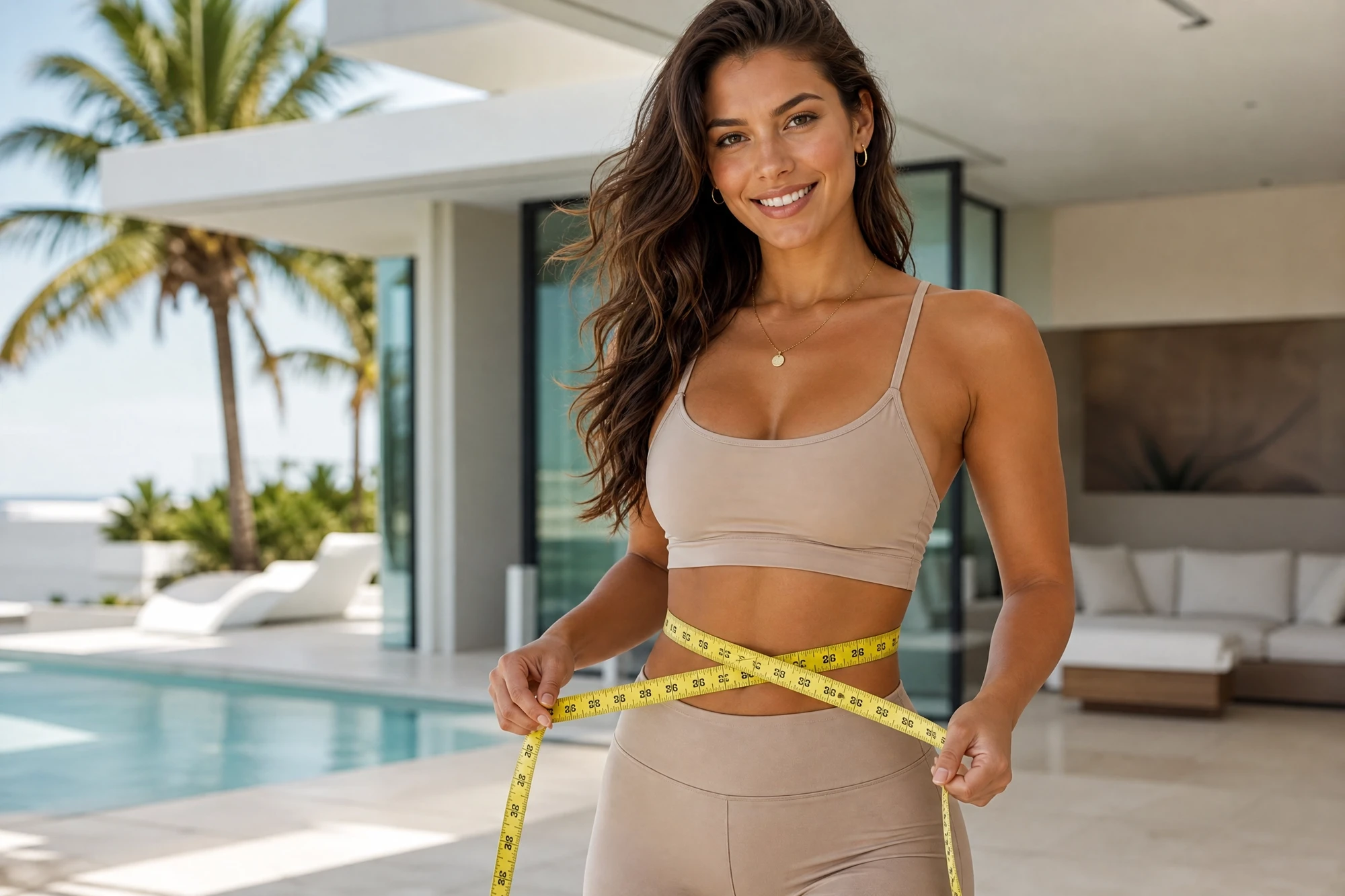
Accurate body measurements bridge the gap between standard retail sizing and bespoke comfort.
Preparation: Tools and Best Practices
Before recording your numbers, establishing proper measurement protocols ensures data accuracy. Even a fraction of an inch can alter how performance fabrics tension against your skin in chlorinated water or ocean surf. Follow these foundational preparation steps:
-
Wear Form-Fitting Apparel: Strip down to form-fitting athletic wear, a light tank top, and leggings, or undergarments. Measuring over bulky sweaters, thick denim, or padded bras introduces significant distortion.
-
Use a Flexible Fiberglass or Vinyl Tape Measure: Never use a rigid metal carpenter's tape. A flexible tailor's tape measure ensures the circumference contours naturally around body curves without pinching.
-
Maintain Correct Posture: Stand tall and relaxed with your feet together. Distribute your weight evenly and breathe normally—do not suck in your stomach or flex your torso muscles artificially.
-
Keep the Tape Parallel: For horizontal measurements (bust, waist, hips), ensure the tape measure remains strictly parallel to the floor. An angled tape will inflate your circumference readings.
Step-by-Step Swimsuit Measurement Guide
A comprehensive swimsuit measurement guide requires capturing four primary anatomical dimensions: bust, natural waist, hips, and torso length. Below is the precise protocol for each measurement.
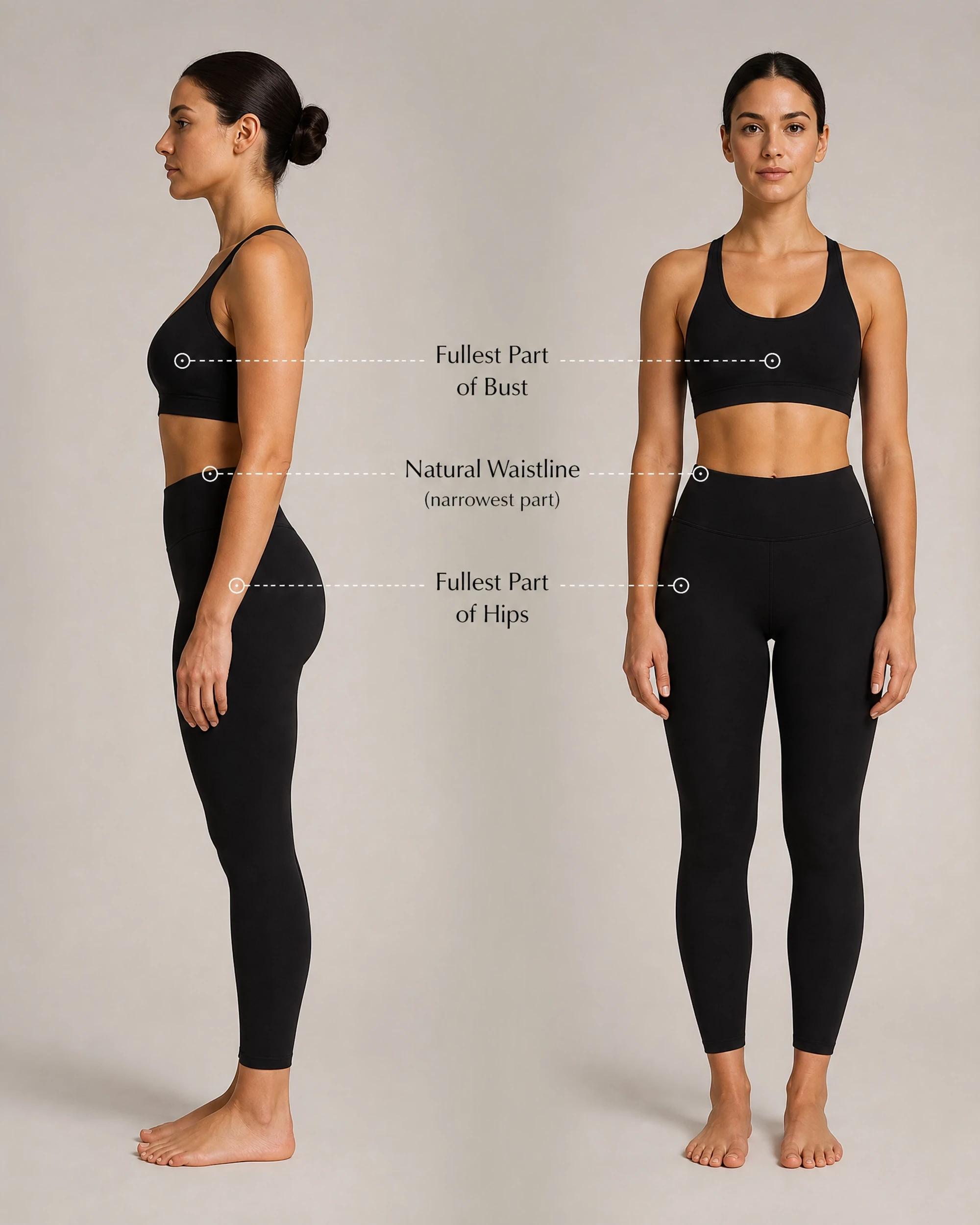
Visual breakdown of horizontal body measurement points for swimwear.
1. How to Measure Bust for a Swimsuit
Your bust measurement determines the sizing for bikini tops, tankinis, and the upper bodice of one-piece garments. Stand straight with your arms relaxed at your sides. Wrap the measuring tape horizontally around the fullest part of your chest—typically aligned across the apex of your breasts. Ensure the tape is snug against your skin without compressing breast tissue. Note that this circumference differs from your standard bra band measurement, as swimwear fabrics provide continuous encapsulation rather than underwire lift alone.
2. How to Measure Your Waist for a Swimsuit
The waist measurement establishes where high-waisted bikini bottoms and mid-torso swimsuit seams anchor. To find your natural waistline, bend to one side to locate the crease or indentation of your torso. Alternatively, feel for the soft space resting just below your lowest ribcage and well above your belly button. Wrap the measuring tape around this narrowest circumference. Avoid measuring too low near your hips, a frequent error that leads to oversized waistbands.
3. How to Measure Hips for a Swimsuit
Hip measurements dictate the comfort and security of swimsuit bottoms, swim shorts, and the lower chassis of one-piece suits. Stand with your feet together to keep pelvic alignment stable. Wrap the measuring tape around the fullest part of your hips and buttocks—usually positioned across the widest curve of your gluteal muscles and pelvic girdle. Keeping the tape level is critical here to prevent slipping down toward the thighs.
4. How to Measure Torso for a Swimsuit
For one-piece enthusiasts, how to measure torso for a swimsuit is the single most important technique to prevent shoulder pulling, ride-up, or gaping necklines. Because vertical body length varies independently of height, standard sizing frequently fails here.
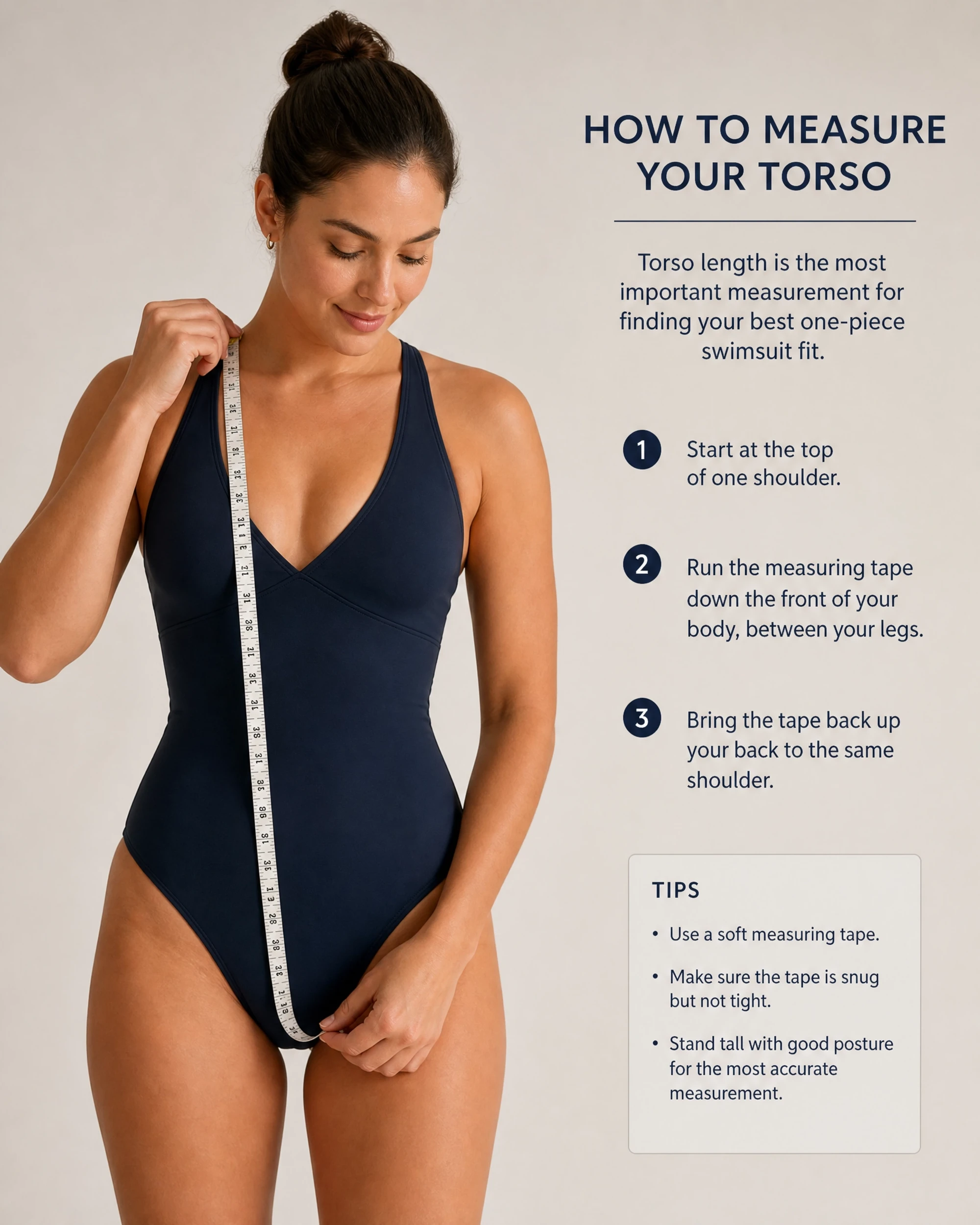
Vertical torso loop measurement protocol for one-piece swimwear engineering.
To measure your vertical torso loop: Place the zero end of your measuring tape at the top of one shoulder (at the base of your neck where a standard strap rests). Route the tape straight down the front of your torso, pass it down through your legs, and pull it up your back over the same shoulder to reconnect with the starting point. Allow the tape to rest comfortably against your contours without pulling it overly tight. This full vertical loop captures your complete body length.
Swimsuit Measurement Reference & Style Matrix
Different swimwear silhouettes place distinct demands on your anatomical measurements. Review the reference matrix below to understand how specific measurements correlate with garment engineering and style selection.
|
Swimsuit Style |
Primary Measurements Required |
Key Fit Priority |
Ideal Body Architecture |
|---|---|---|---|
|
Classic Bikini |
Bust, Underbust, Waist, Hips |
Secure bottom anchoring and adjustable top tension |
Balanced proportions, athletic, or hourglass shapes |
|
High-Waisted Bikini |
Natural Waist, Hips, Underbust |
Waist compression and hip contouring |
Pear and hourglass shapes seeking waist definition |
|
One-Piece Swimsuit |
Bust, Waist, Hips, Full Torso Length |
Vertical stretch balance and shoulder tension relief |
Long torsos, petite frames, or minimalist coverage preference |
|
Custom Made-to-Measure |
All 4 Points + Custom Torso & Torso-Diagonal |
Bespoke algorithmic shaping across every anatomical contour |
All body types seeking an uncompromising, flawless fit |
Common Measuring Mistakes and How to Avoid Them
Even with a quality tape measure, minor errors can compromise your sizing accuracy. Keep these professional tailoring caveats in mind:
-
Holding Breath or Tensing: Inhaling deeply or tightening your abdominal muscles distorts your natural waist and torso measurements, resulting in a garment that feels restrictive once worn.
-
Allowing Tape Sag or Extreme Tension: The tape should be snug enough to stay in place without leaving deep indentations in your skin. Treat the tape as a second skin.
-
Confusing Dress Size with Swimwear Dimensions: Commercial apparel sizing varies wildly across fast fashion brands. Always rely on raw inches or centimeters rather than generic dress size labels.
Frequently Asked Questions
What measurements do you need for a custom swimsuit?
For a truly custom, made-to-measure swimsuit, you need exact measurements for your bust, underbust, natural waist, high hip, low hip, and full vertical torso length. These comprehensive inputs allow bespoke pattern makers to construct a garment tailored precisely to your unique skeleton and musculature.
What should I do if my measurements fall between two sizes?
In standard retail shopping, if your measurements straddle two sizes, it is generally recommended to size down for bottoms to prevent water drag, or size up for one-pieces if your torso length exceeds standard blocks. However, with SwimTailor's custom-engineered approach , you never have to compromise—every piece is built directly to your exact numbers.
How often should I re-measure myself?
Body contours fluctuate naturally over time due to fitness changes, seasonal shifts, or weight variation. We recommend taking fresh measurements every six months or immediately before investing in a new high-end swimwear collection.
From Measurements to Mastery: Why Made-to-Measure Changes Everything
Taking your body measurements is more than a preliminary shopping step—it is an empowering act of body appreciation. Once you have recorded your exact bust, waist, hip, and torso dimensions, you possess the keys to unlocking swimwear that honors your unique shape without compromise.
While standard retail sizing forces you to adapt to mass-produced templates, SwimTailor reverses the paradigm. By combining precise personal measurements with advanced digital pattern engineering and eco-conscious recycled performance fabrics , we craft swimwear designed exclusively for you. Ready to experience zero-compromise fit? Explore our Custom Swimwear Collection or visit our interactive Fit Engineering Hub to start your custom journey today.
References & Further Reading
-
ASTM International. "Standard Tables of Body Measurements for Women." ASTM D5587 / D6241 Standards for Garment Engineering.
-
Textile Exchange. "Global Recycled Standard (GRS) and Sustainable Swimwear Fabric Performance." Textile Exchange Reports, 2025.
-
International Journal of Fashion Design, Technology and Education. "Ergonomic Evaluation of Swimwear Sizing and Torso Accommodation in Female Consumers." 2024.