Learn how to properly clean swimwear, including bikinis, one-piece swimsuits, and high-end designer swimwear. Discover care tips to prevent fading, stretching, and loss of elasticity, and extend the lifespan of your swimsuits.
Swimwear is exposed to chlorine, saltwater, sunscreen, sweat, and UV rays - making it one of the most delicate types of clothing you own. If you wash it incorrectly, the fabric can stretch out, fade, or lose elasticity quickly.
This guide explains how to wash swimwear step by step , how to dry it safely, and how to extend the life of your bikini or swimsuit using simple care habits. For more sizing and style advice, you can also explore the SwimTailor Fit Guide .
Why Proper Swimwear Care Matters
Swimsuits are usually made from blends like nylon, polyester, and spandex (elastane) . These fibers are sensitive to:
-
Chlorine (breaks down elasticity)
-
Salt (crystallizes and weakens fibers)
-
Heat (damages stretch recovery)
-
Rough washing (causes pilling and deformation)
Even a few incorrect washes can significantly reduce the lifespan of your favorite bikini. If your suit no longer fits the way it should, check these signs your swimsuit is too small or too big before replacing it.
Step 1: Rinse Immediately After Use
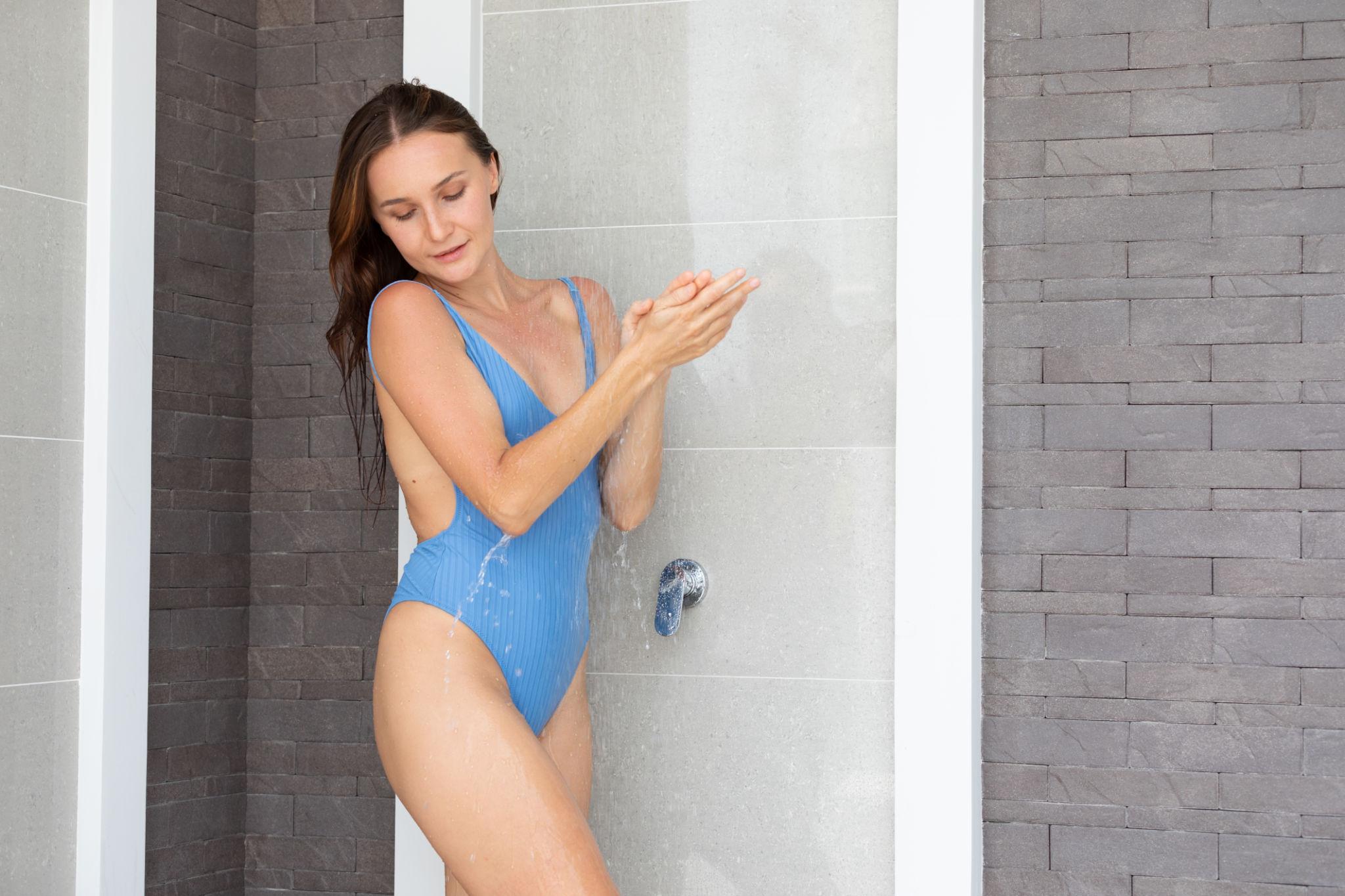
After swimming, always rinse your swimwear as soon as possible.

Why this matters:
-
Removes chlorine and salt before they damage fibers
-
Prevents sunscreen and sweat from settling into fabric
-
Keeps colors from fading prematurely
Use cold clean water only . Avoid hot water - it weakens elastic fibers.
Step 2: Hand Wash (Never Machine Wash if Possible)
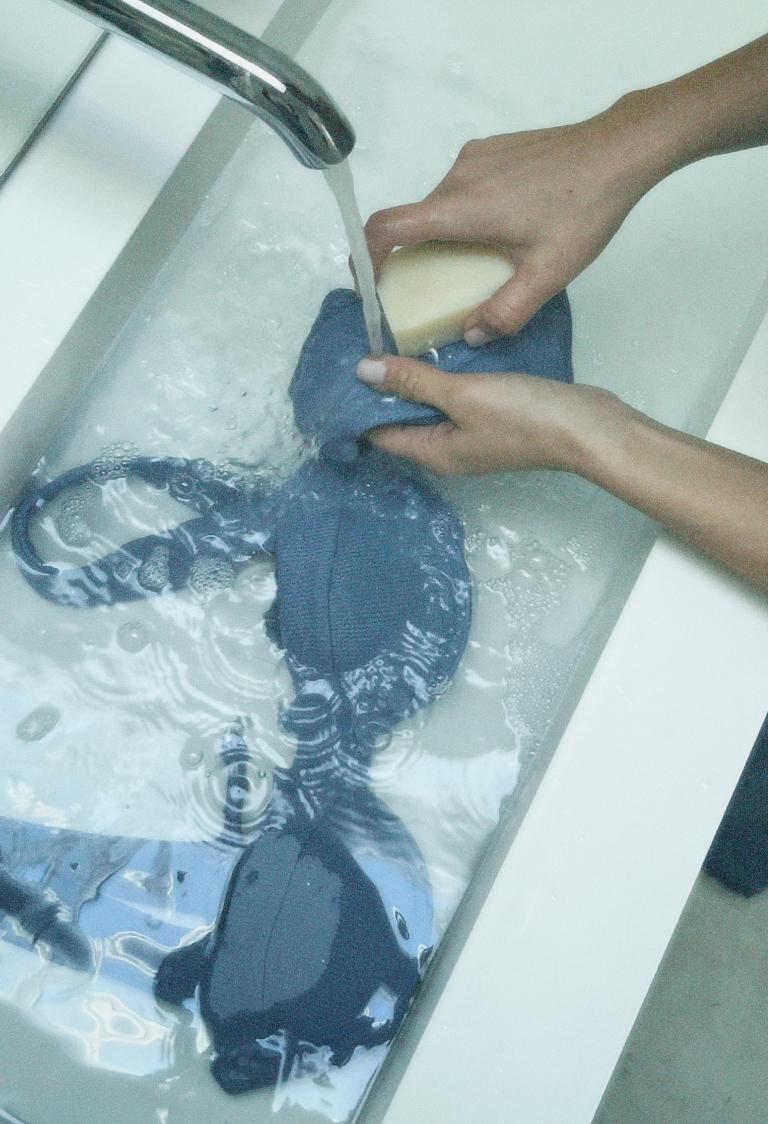
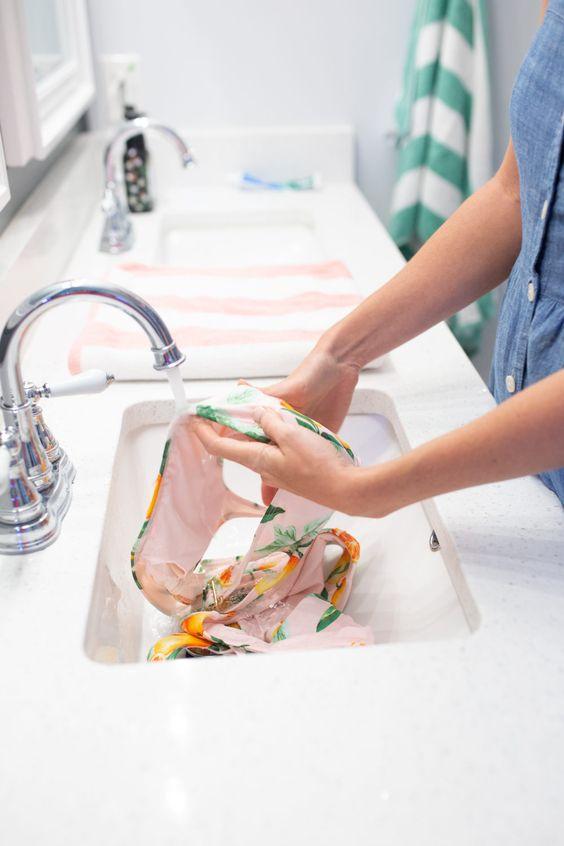
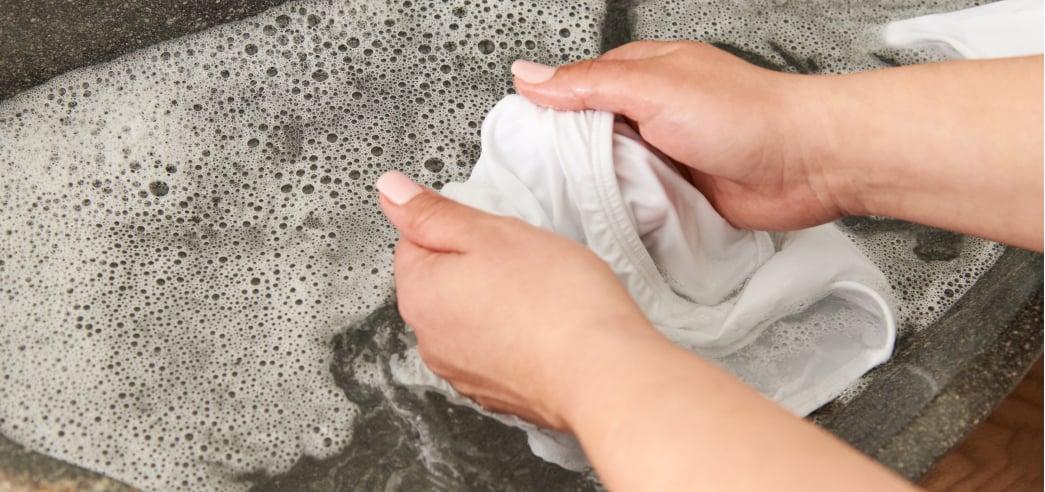
Hand washing is the safest method for swimwear, especially for delicate bikinis, shaped cups, and pieces from a light custom swimwear collection.
How to do it:
-
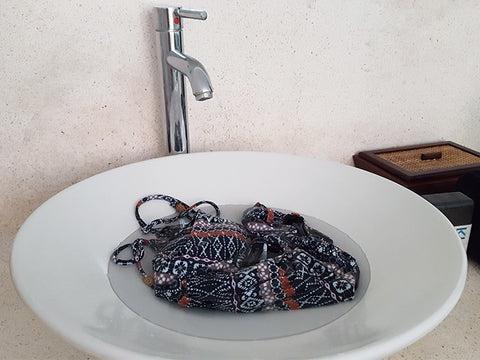
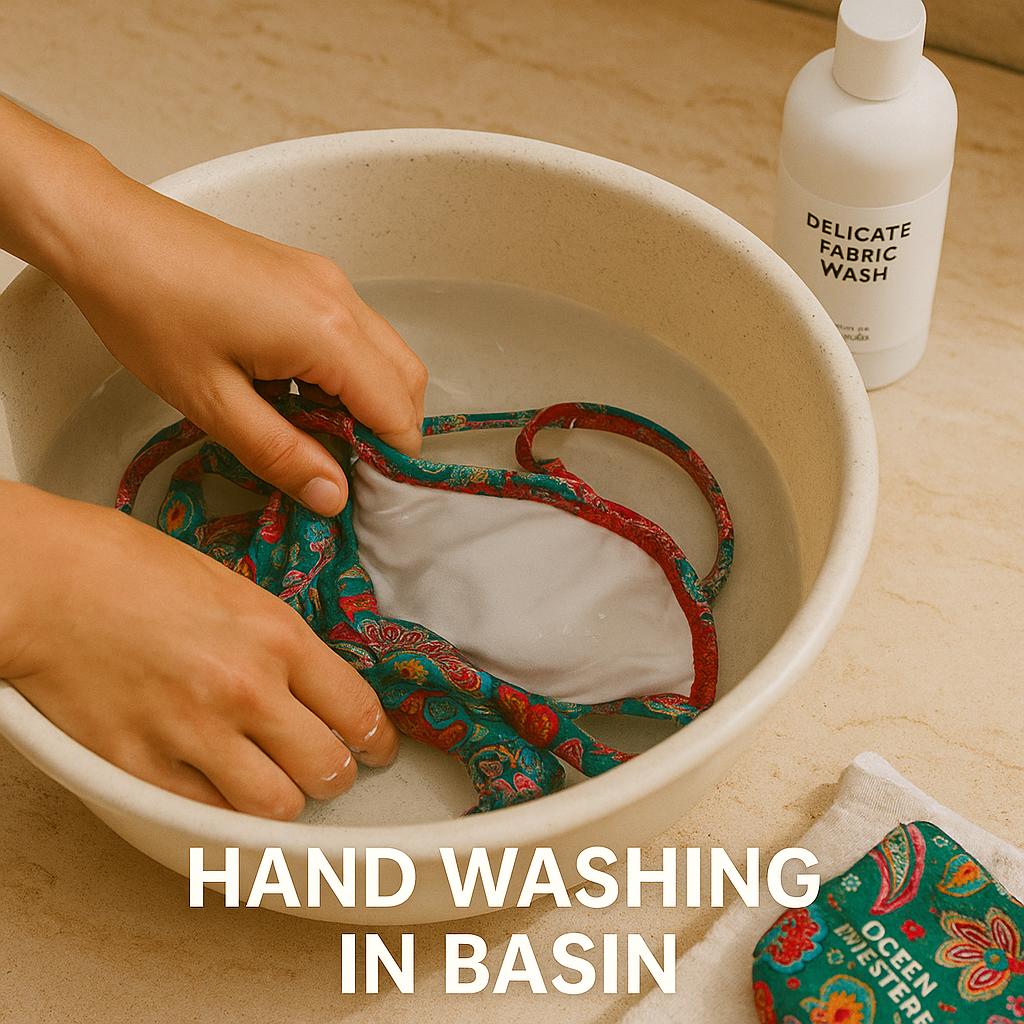
Fill a basin with cold water
-
Add a small amount of mild detergent
-
Soak swimsuit for 10-15 minutes
-
Gently rub areas like straps and lining
-
Rinse thoroughly
Avoid:
-
Bleach or strong detergents
-
Fabric softeners
-
Scrubbing or twisting fabric
These can permanently damage elasticity and shape.
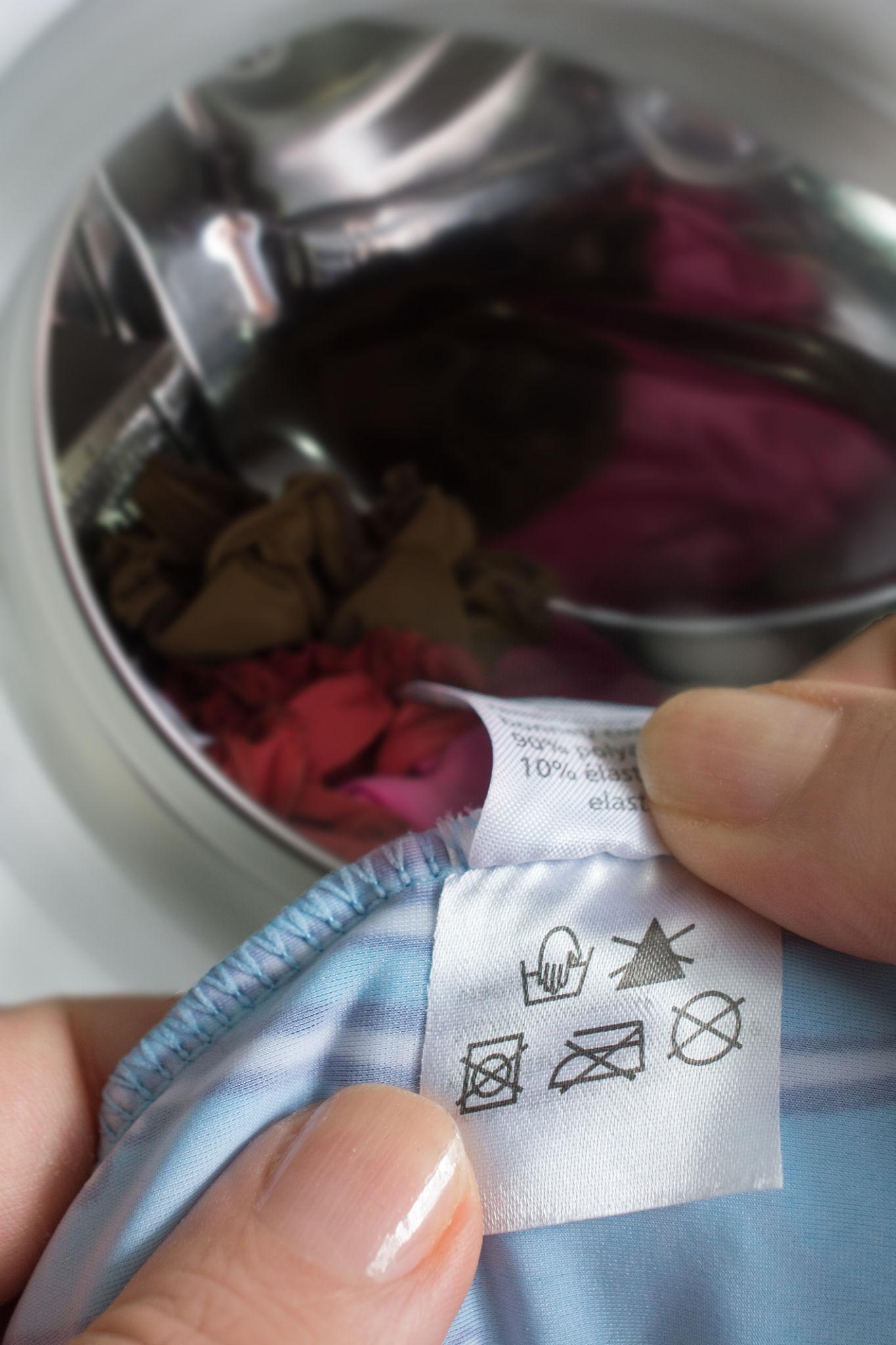
Step 3: Machine Washing (Only If Necessary)
If you must use a washing machine, take precautions:
-
Place swimwear in a mesh laundry bag
-
Use delicate cycle
-
Select cold water only
-
Wash with similar soft fabrics
-
No spin or low spin only
Even then, frequent machine washing is not recommended.
Step 4: Proper Drying Technique
Drying is just as important as washing.
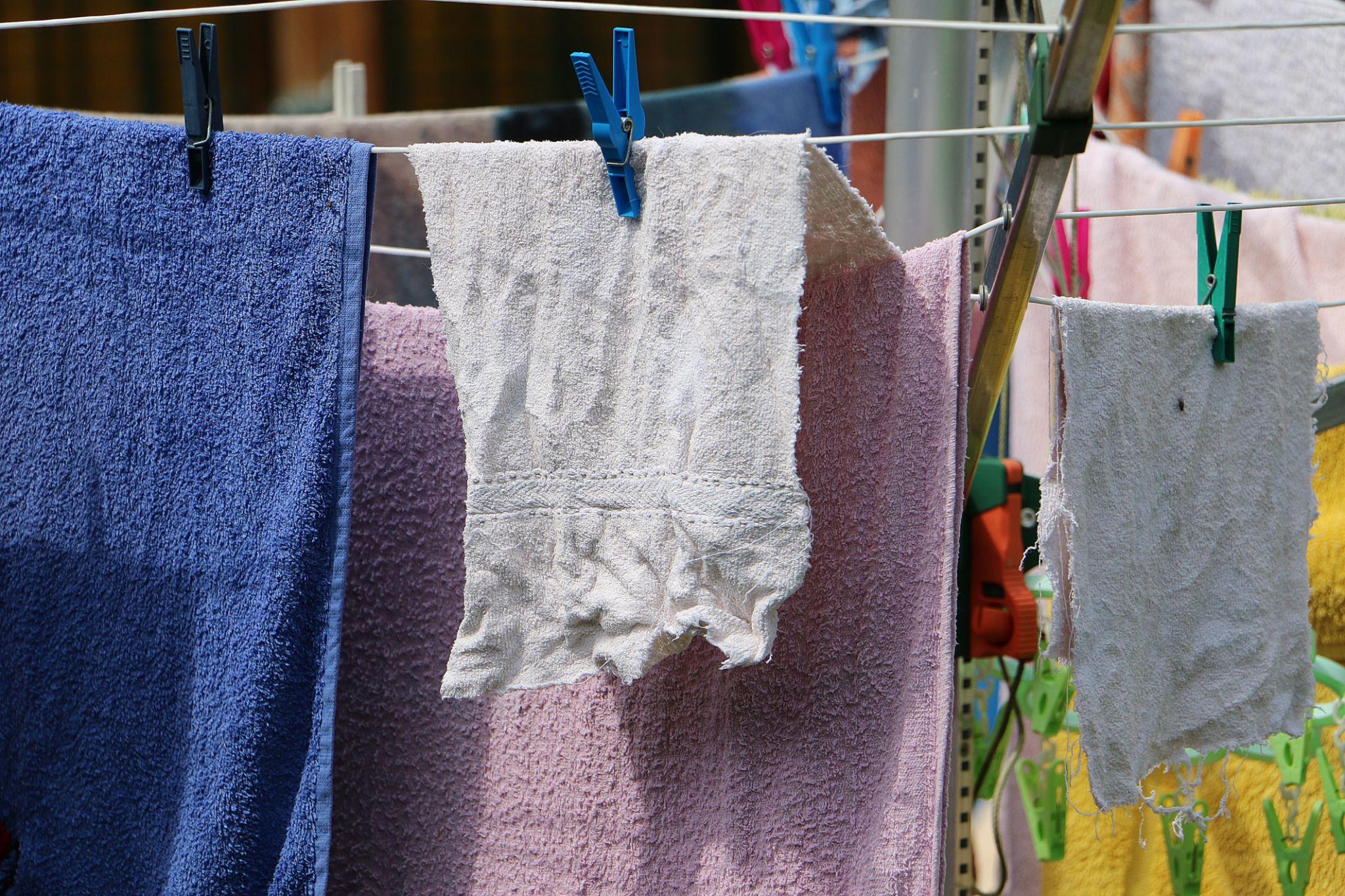
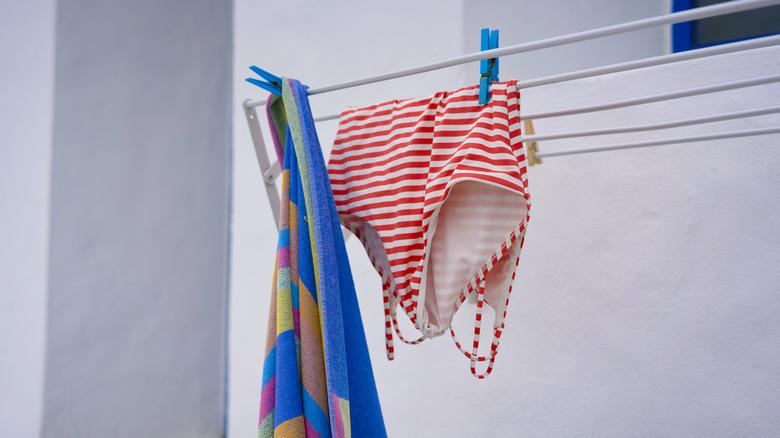

Best practice:
-
Lay flat on a towel
-
Press gently to remove water
-
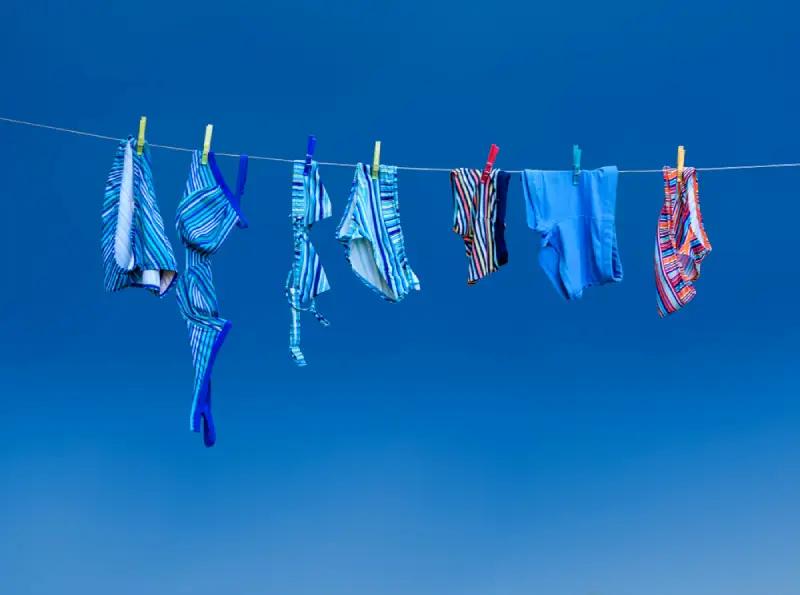
Dry in shade with airflow
-
Avoid hanging heavy wet swimwear (it stretches fabric)
Never:
-
Use a dryer
-
Expose to direct sunlight for long periods
-
Wring or twist the fabric
Step 5: Storage Tips for Longer Lifespan
Once completely dry:
-
Store in a cool, dry place
-
Avoid folding tightly for long periods
-
Keep away from heat or humidity
-
Do not store while damp
Common Mistakes to Avoid
Many people unintentionally shorten swimwear life. Avoid these mistakes:
-
Washing with regular laundry (jeans, towels, etc.)
-
Using hot water
-
Leaving wet swimwear in a bag for hours
-
Sitting on rough pool edges while wearing it (causes fabric abrasion)
-
Using sunscreen oils without rinsing afterward
Taking care of swimwear does not require complicated steps - just cold water, gentle cleaning, and proper drying . With the right routine, a high-quality swimsuit can last multiple seasons without losing its shape or color. When you are ready for a new piece, browse the SwimTailor custom-swimwear for swimwear designed for comfort, confidence, and better fit.
If you regularly swim in pools or the ocean, building this care habit will significantly extend the life of your swimwear and keep it looking new longer.
Related Swimwear Fit Guides
For more swimwear advice, visit the SwimTailor custom-swimwear or read these related guides: