Discover which swimwear fabric dries the fastest. Compare nylon, polyester, and recycled fabrics for comfort, durability, stretch, UV resistance, and long-lasting performance.
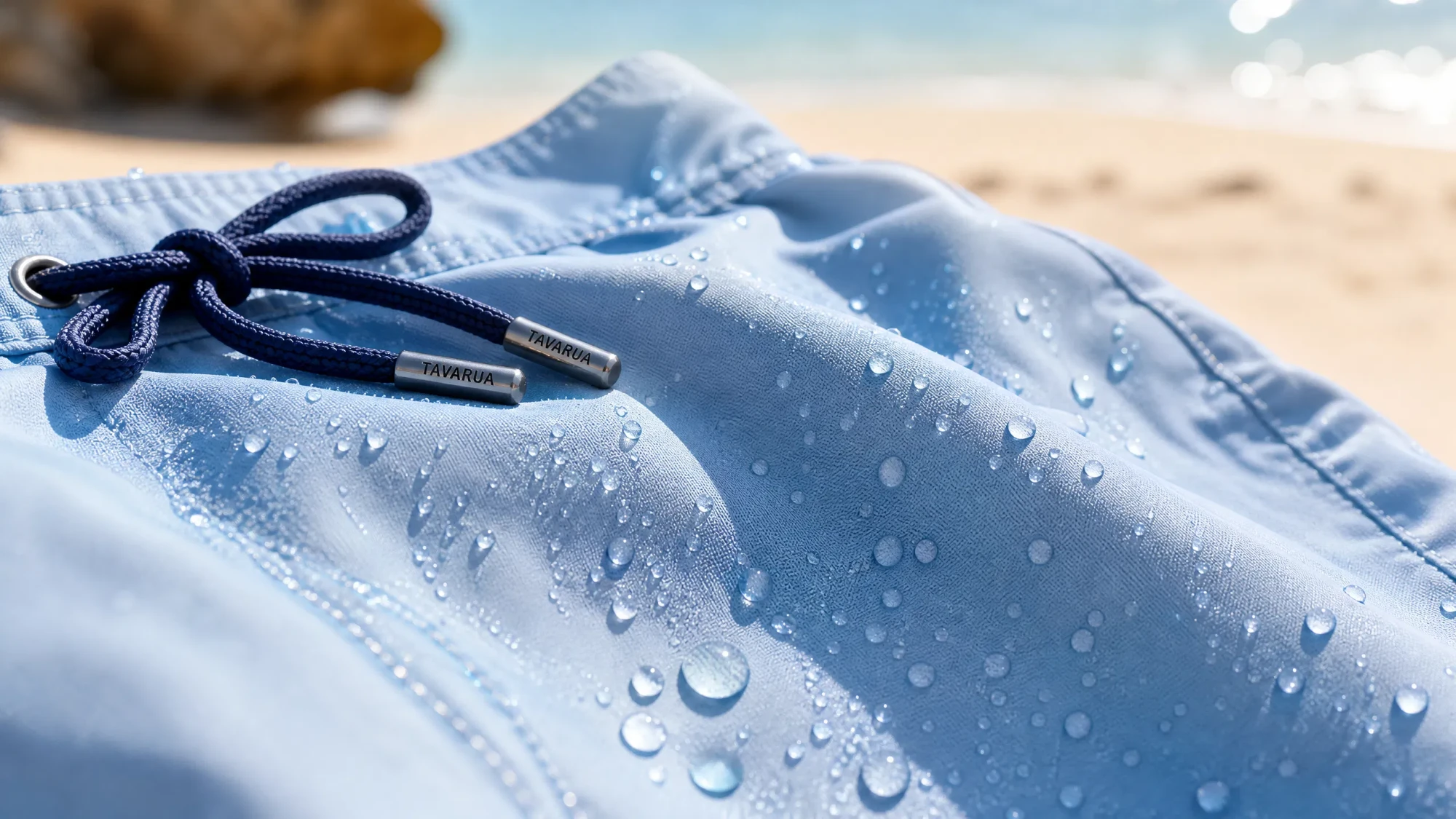

When you’re enjoying a day at the beach or by the pool, the last thing you want is to be weighed down by a soggy swimsuit. That’s where quick-dry swimwear fabric comes in. But what does "quick-dry" truly mean, and why is it so important for your swimwear experience? This guide will dive deep into the science, benefits, and best choices for fast-drying swimwear materials, ensuring you stay comfortable and stylish.
What Is Quick-Dry Swimwear Fabric?
Contrary to popular belief, quick-dry swimwear fabric isn't about being completely waterproof or non-absorbent. Instead, it refers to materials designed to shed water rapidly and facilitate quick evaporation. The key characteristics of fast drying swimwear material include:
Low Absorbency: The fibers themselves absorb very little water.
Rapid Moisture Diffusion: Water spreads quickly across the fabric surface, increasing the area exposed to air.
Efficient Airflow: The fabric's weave allows air to circulate freely, accelerating the evaporation process.
This combination ensures that your swimsuit feels lighter, dries faster, and remains comfortable, whether you're lounging by the water or engaging in active water sports.
How Does Quick-Dry Fabric Work?
The magic behind how quick-dry swimwear fabric works lies in its construction and material properties:
Fiber Structure: Synthetic fibers like polyester and nylon have a hydrophobic (water-repelling) nature. Their molecular structure doesn't bond easily with water, causing water to bead up and roll off rather than soak in.
Fabric Density and Weave: Tightly woven yet breathable fabrics create a larger surface area for moisture to spread, while also allowing air to pass through efficiently.
Moisture Wicking: Many quick-dry fabrics are engineered with capillary action, drawing moisture from the skin to the outer surface where it can evaporate more quickly.
Surface Treatment: Some fabrics receive a Durable Water Repellent (DWR) finish, which enhances their water-shedding capabilities without compromising breathability.
Best Fabrics for Quick-Dry Swimsuits
Choosing the right swimsuit fabric guide is crucial for quick-drying performance. Here's a comparison of common quick-dry fabrics:
Fabric | Dry Speed | Features |
|---|---|---|
Nylon + Spandex | ⭐⭐⭐⭐ | Soft, stretchy, comfortable, excellent shape retention |
Polyester + Spandex | ⭐⭐⭐⭐⭐ | Fastest drying, chlorine resistant, durable, fade-resistant |
Recycled Nylon | ⭐⭐⭐⭐ | Sustainable option, similar properties to virgin nylon, eco-friendly |
Nylon vs Polyester: Which Dries Faster?
When it comes to nylon or polyester swimwear fabric, both are excellent choices for quick-drying properties, but there are subtle differences:
Nylon | Polyester | |
|---|---|---|
Drying speed | Fast | Faster |
Feel | Softer, silkier | Slightly firmer, more structured |
Stretch | Excellent | Good, especially with spandex blend |
Printing | Excellent vibrancy | Excellent, holds intricate designs |
Luxury feel | Higher, often preferred for high-end fashion swimwear | Medium, very practical and durable |
While nylon offers a luxurious feel and excellent stretch, polyester generally boasts superior chlorine resistance and slightly faster drying times, making it a top choice for performance and durability.
Benefits of Quick-Dry Swimwear Fabric
The benefits of quick dry swimsuit fabric extend beyond just convenience:
Enhanced Comfort: No more lingering dampness or chafing after a swim.
Lightweight Feel: Swimsuits remain light and comfortable, even when wet, preventing that heavy, dragging sensation.
Versatility for Activities: Ideal for transitioning from swimming to other beach or poolside activities without needing an immediate change.
Reduced Odor Buildup: Faster drying inhibits bacterial growth, which can lead to unpleasant odors.
Easier Care: Quick-dry fabrics often require less drying time, simplifying laundry routines and protecting the fabric's integrity. For more tips, check our swimsuit care guide.
How to Choose Quick-Dry Fabric for Custom Swimwear
For brands and designers looking to create exceptional custom swimwear, selecting the right quick-dry fabric is paramount. Consider the end-use and target customer:
Beach Resort & Vacation Wear: Prioritize soft feel and luxurious drape (e.g., high-quality nylon blends).
Competitive Swimming & Active Wear: Focus on durability, chlorine resistance, and fastest drying (e.g., polyester blends).
Sustainable Collections: Opt for recycled nylon swimwear fabric without compromising performance.
Ready to elevate your collection? Create your custom swimsuit with fast-drying premium fabrics that combine innovation with style.
FAQ: Your Quick-Dry Swimwear Questions Answered
Q1: What fabric dries the fastest for swimsuits?
Polyester blends, especially those with spandex, are generally considered the fastest drying swimsuit material due to their low absorbency and excellent moisture-wicking properties.
Q2: Are nylon swimsuits quick drying?
Yes, nylon swimwear fabric is highly quick-drying. It's a popular choice for its soft feel, stretch, and good water-shedding capabilities, though polyester often dries slightly faster.
Q3: Is polyester better than nylon for swimwear?
It depends on your priorities. Polyester offers superior chlorine resistance, fade resistance, and slightly faster drying. Nylon provides a softer feel and often a more luxurious drape. Both are excellent, but polyester is often preferred for active or frequent use due to its durability.
Q4: Does swimsuit lining affect drying speed?
Yes, the type and thickness of swimsuit lining fabric can affect drying speed. A thicker, more absorbent lining will slow down the drying process. Lightweight, quick-dry linings made from similar synthetic materials are ideal for maintaining overall fast-drying performance.